Roller coasters are among the most popular attractions in the global amusement industry. From family-friendly rides to extreme thrill attractions, a well-designed roller coaster can become the signature feature of an amusement park and attract visitors for many years.
For investors and park operators, choosing the right coaster requires careful consideration of many factors, including target visitors, available land, investment budget, operating costs, safety requirements, and maintenance needs.
As a professional amusement ride manufacturer, Hotfun Park Rides specializes in providing customized roller coaster solutions for theme parks, family entertainment centers, and tourism projects. With different designs available, parks can select attractions that match their market positioning and long-term business goals.
This guide explains the major roller coaster types, track design principles, pricing factors, and key considerations when purchasing a coaster.
What Is a Roller Coaster?
A roller coaster is a rail-based amusement ride that carries passengers through a specially designed roller coaster track featuring hills, drops, curves, and other exciting elements. Depending on the design, the train may operate through gravity after a lift hill or use advanced launch systems for acceleration.
A modern coaster usually consists of several important components:
Unlike many other amusement rides, roller coasters combine speed, height, acceleration, and changing forces to create unique experiences. Modern manufacturers use computer simulations and engineering analysis to ensure ride performance and passenger safety.
According to ASTM International standards, amusement ride design should consider structural strength, operational safety, and inspection requirements throughout the ride lifecycle.
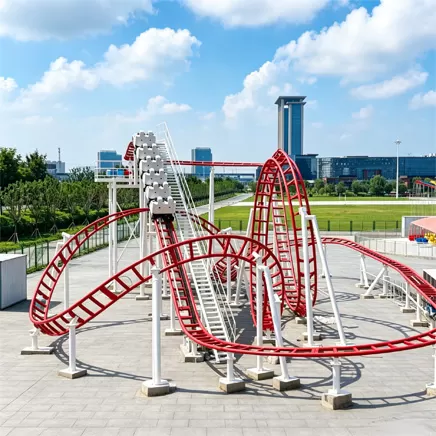
Why Are Roller Coasters Essential for Theme Parks?
A successful amusement park roller coaster is often more than just a ride—it is a major attraction that influences visitor decisions and park branding.
A signature coaster can:
Large attractions such as a roller coaster theme park centerpiece often become recognizable landmarks. Their appearance, height, and unique design help parks stand out from competitors.
For smaller parks, compact coaster designs can provide exciting experiences without requiring large investments or extensive land areas. Working with experienced roller coaster companies allows investors to choose designs that match their business goals.
What Are the Different Types of Roller Coasters?
There are many different types of roller coasters, each designed for specific audiences and operating environments. The best choice depends on factors such as park size, visitor expectations, budget, and available space.
Roller Coaster Type | Best For | Key Features |
Family Coaster | Family parks | Gentle drops and smooth turns |
Steel Coaster | Large theme parks | High speed and flexible layouts |
Wooden Roller Coaster | Traditional parks | Classic structure and nostalgic experience |
Mad Mouse Roller Coaster | Small parks | Compact design and sharp turns |
Corkscrew Roller Coaster | Thrill parks | Spiral inversions and dynamic movement |
Water Coaster | Water parks | Combines coaster and water effects |
Giga Coaster | Large destinations | Extreme height and speed |
Wooden Roller Coaster
A wooden roller coaster is known for its traditional appearance and unique riding experience. Also called a wooden coaster, it remains popular in classic amusement parks because of its nostalgic atmosphere and distinctive movement.
Although steel designs dominate the modern market, wooden coasters continue to attract visitors who appreciate their history and character.
Steel Roller Coaster
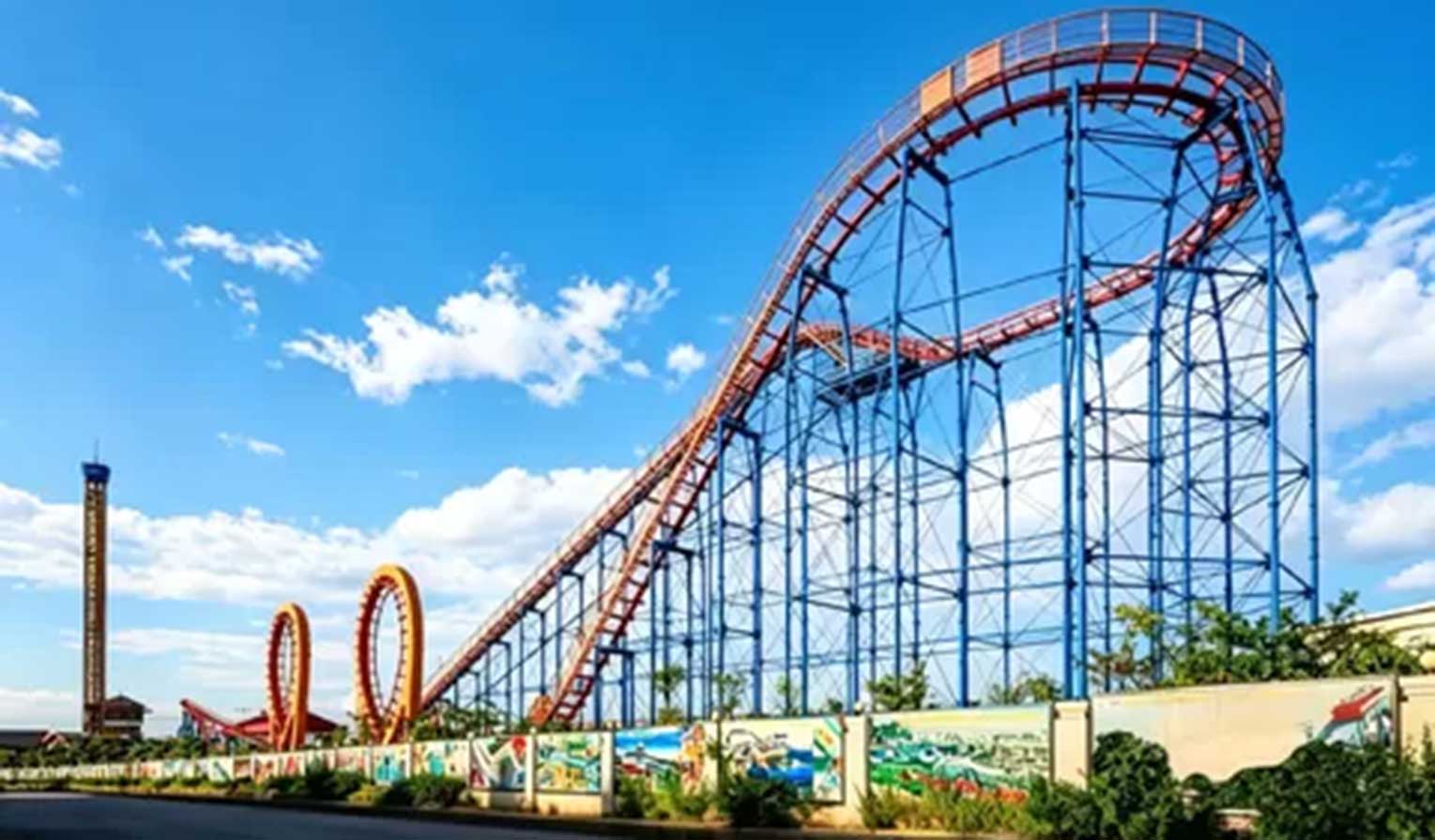
Steel coasters are the most common choice for modern parks. Their precision-engineered roller coaster rail systems allow manufacturers to create taller structures, smoother rides, sharper turns, and complex elements such as loops and inversions.
Because of their durability and design flexibility, steel coasters are widely used in international amusement parks.
Mad Mouse Roller Coaster
The Mad Mouse Roller Coaster creates excitement through compact layouts, sudden turns, and quick direction changes.
This type of coaster is ideal for parks with limited space because it delivers an exciting ride experience without requiring a large installation area.
Corkscrew Roller Coaster
A corkscrew coaster features spiral track elements that rotate passengers during the ride. Modern corkscrew roller coasters use advanced engineering technology to provide thrilling experiences while maintaining passenger comfort.
Water Roller Coaster
A water roller coaster combines traditional coaster technology with water-based features such as splash zones and boat-style vehicles. These rides are particularly attractive for water parks and resort destinations in warm climates.
How Is a Roller Coaster Track Designed?
The roller coaster track is one of the most important parts of the entire attraction. Its design directly affects safety, comfort, and ride quality.
Engineers consider several factors during development:
Structural Strength
The track must withstand repeated forces from moving trains, passenger loads, and environmental conditions. High-quality steel materials and precision manufacturing help improve durability.
Ride Comfort
Track geometry determines acceleration, banking, and movement transitions. Proper design reduces unnecessary vibration while maintaining excitement.
Maintenance Accessibility
A well-designed coaster allows technicians to inspect key components, replace parts, and perform regular maintenance efficiently.
International standards such as ASTM F2291 provide guidance for amusement ride design and safety evaluation.
How Much Does a Roller Coaster Cost?
The roller coaster price depends on many factors. There is no fixed cost because each project requires customized engineering and manufacturing.
Cost Factor | Impact |
Track length | Higher material and manufacturing costs |
Ride height | Requires stronger structures and engineering |
Passenger capacity | Influences train design and operation |
Launch system | Advanced systems increase investment |
Theming elements | Adds visual and entertainment value |
Installation conditions | Depends on site requirements |
Small family coasters usually require a lower investment, while large attractions such as Giga Coasters may require millions of dollars due to their size, engineering complexity, and construction requirements.
Hotfun Park Rides provides customized quotations based on project requirements, including ride design, capacity, site conditions, and customer budget.
What Should Buyers Consider Before Purchasing a Roller Coaster?
Before purchasing a roller coaster for sale, investors should evaluate several important factors.
First, identify the target audience. Family parks may benefit from gentle attractions, while large theme parks may need high-thrill rides.
Second, consider available space. Compact designs such as a Mad Mouse coaster are suitable for smaller areas, while large parks can accommodate longer and taller layouts.
Other important considerations include:
Choosing a reliable roller coaster manufacturer helps reduce operational risks and improve long-term investment returns.
Why Choose Hotfun Park Rides as Your Roller Coaster Partner?
Hotfun Park Rides provides customized amusement equipment solutions for global customers. The company focuses on combining engineering expertise, manufacturing quality, and customer support.
Key advantages include:
Customized coaster designs
Professional engineering assistance
Reliable manufacturing processes
Installation guidance
Technical support
Long-term service solutions
By working with experienced professionals, park operators can create attractions that deliver safe, exciting, and memorable experiences.
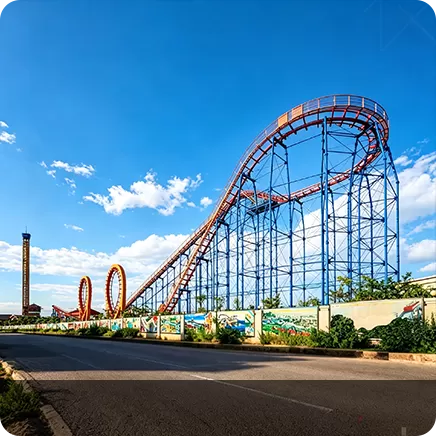
How Is Roller Coaster Safety Ensured?
Modern roller coasters use multiple safety systems to protect passengers.
Important safety measures include:
Organizations including IAAPA and ASTM International provide industry guidelines to support safe amusement ride operation.
Conclusion
A roller coaster is not only an exciting attraction but also a valuable investment for amusement parks. Selecting the right coaster type, understanding pricing factors, and choosing an experienced manufacturer are essential steps for project success.
With customized designs and professional support, Hotfun Park Rides helps customers create reliable roller coaster solutions that enhance visitor experiences and support long-term park development.
FAQ
What is the most popular type of roller coaster?
Steel roller coasters are currently among the most popular because they provide smooth rides, flexible designs, and excellent durability.
How much does a roller coaster cost?
The cost depends on size, track length, design complexity, capacity, and installation requirements. Each project requires a customized quotation.
What type of roller coaster is suitable for a small park?
Family coasters and Mad Mouse Roller Coasters are suitable because they require less space while providing exciting experiences.
How long does a roller coaster last?
With proper maintenance and inspections, a professionally manufactured coaster can operate reliably for many years.
Why is roller coaster track design important?
The track determines ride safety, comfort, speed, and overall passenger experience.
Why choose Hotfun Park Rides?
Hotfun Park Rides provides customized designs, professional engineering support, and complete amusement ride solutions for different types of parks.